Dec 11, 2025
Brittni Ann Harvey & Harry Gould Harvey IV
CyberSpirit 2035
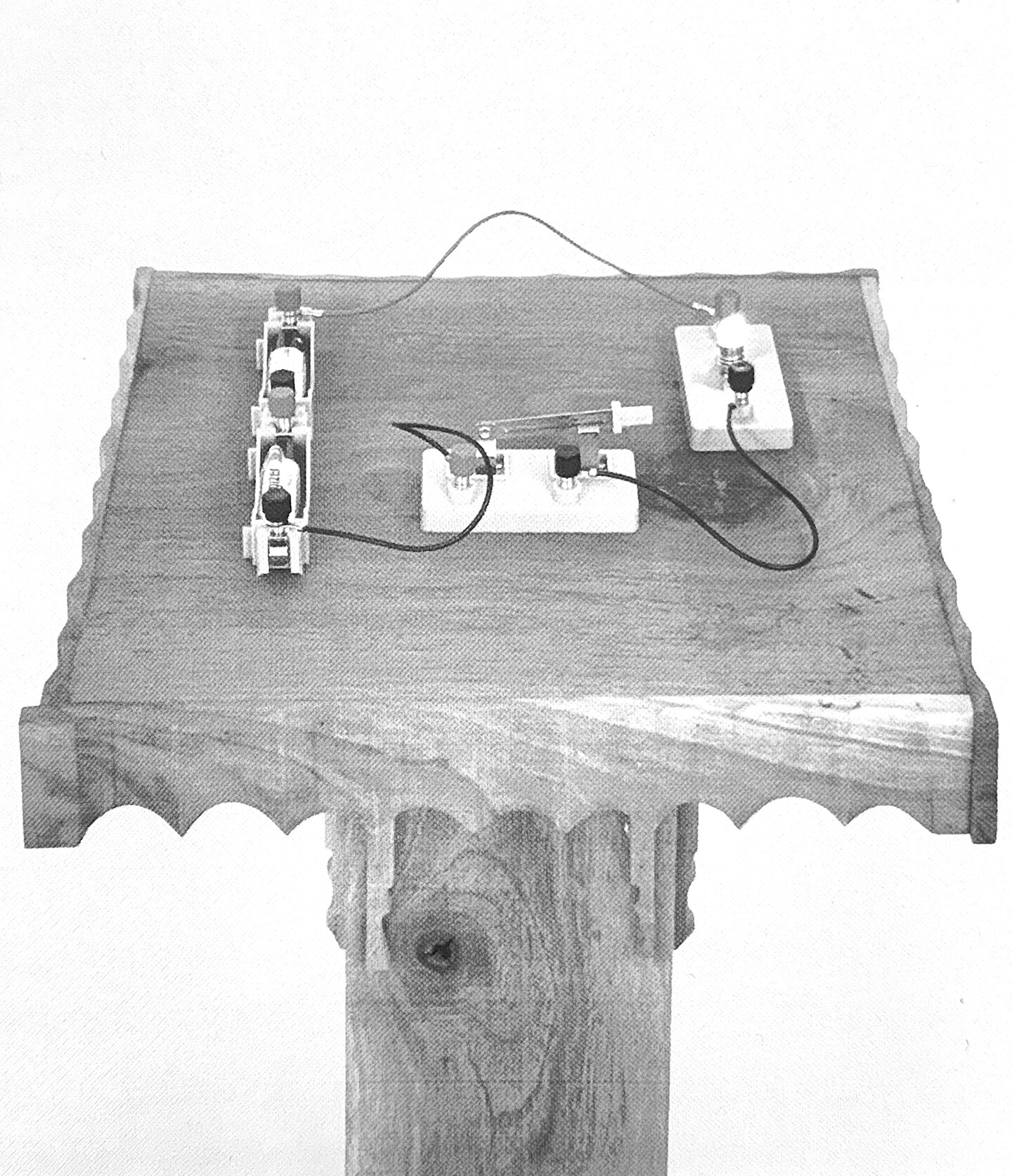
Thursday, December 11, 6:30—9:30PM
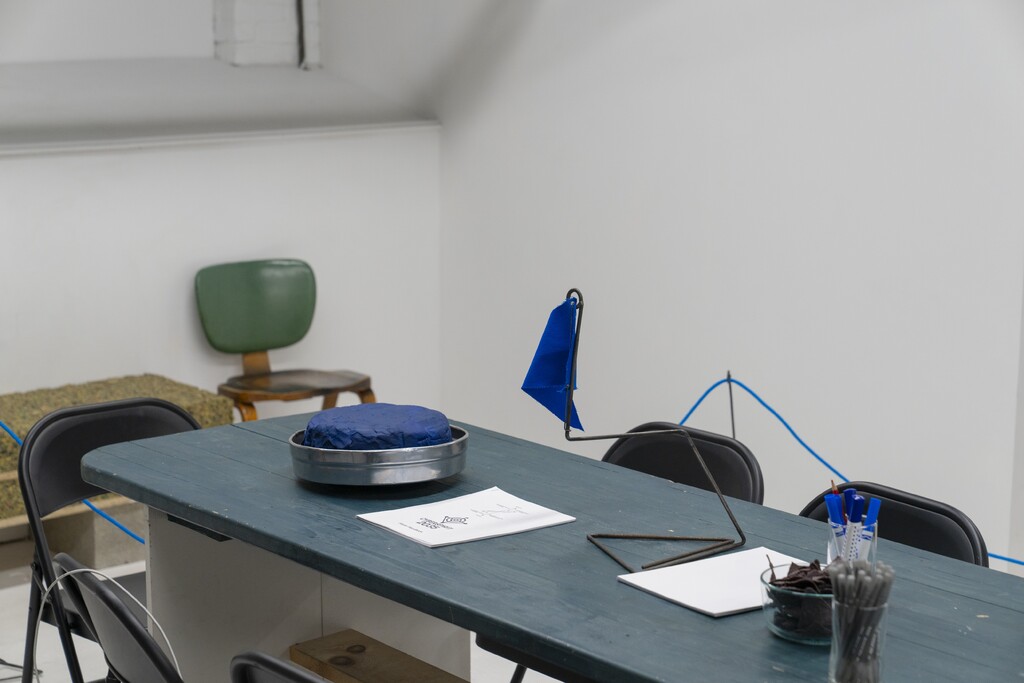
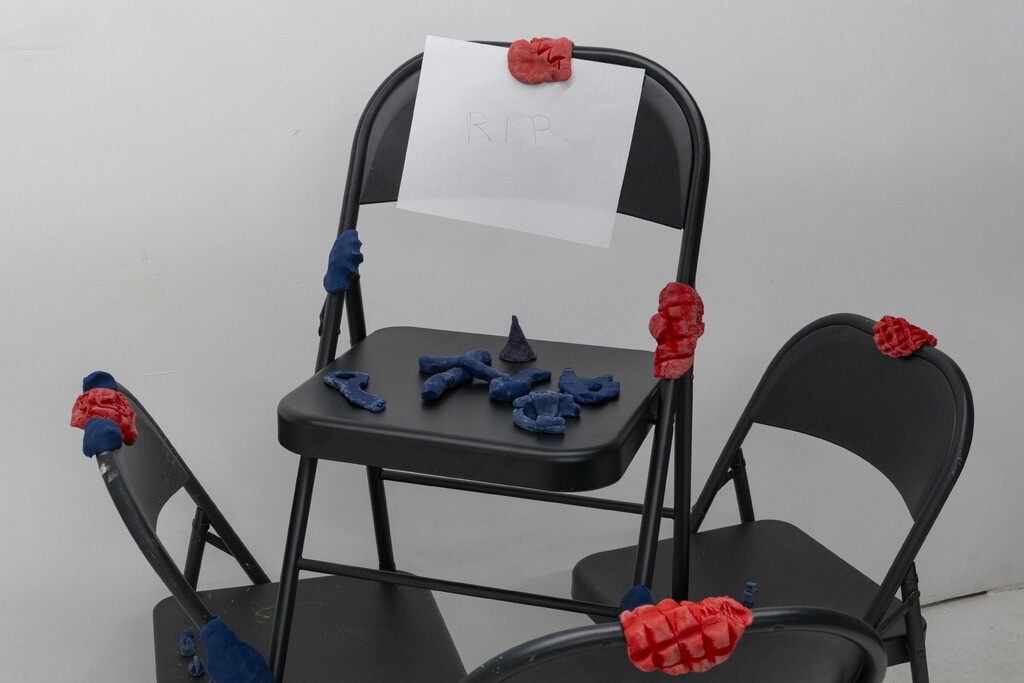
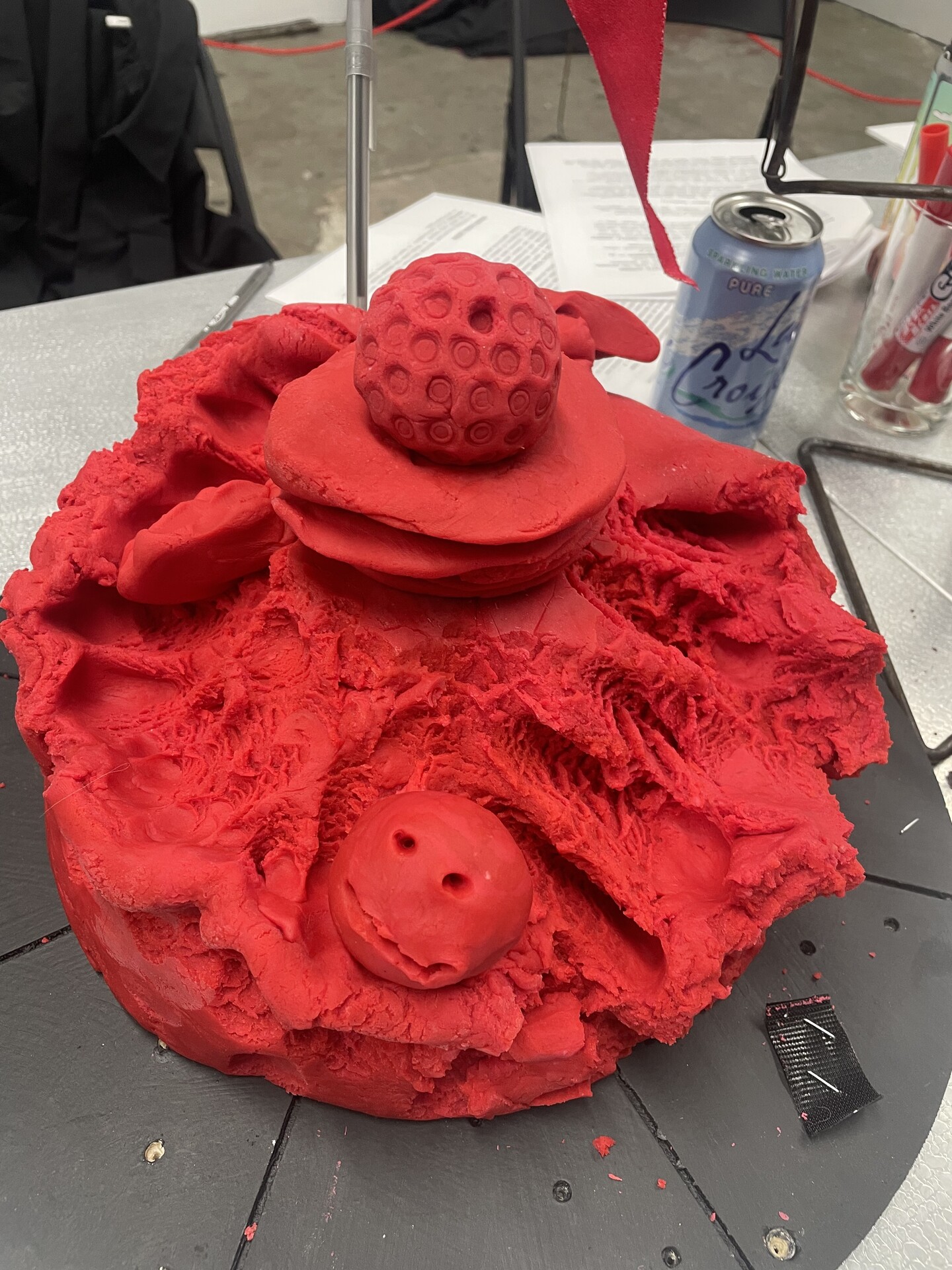
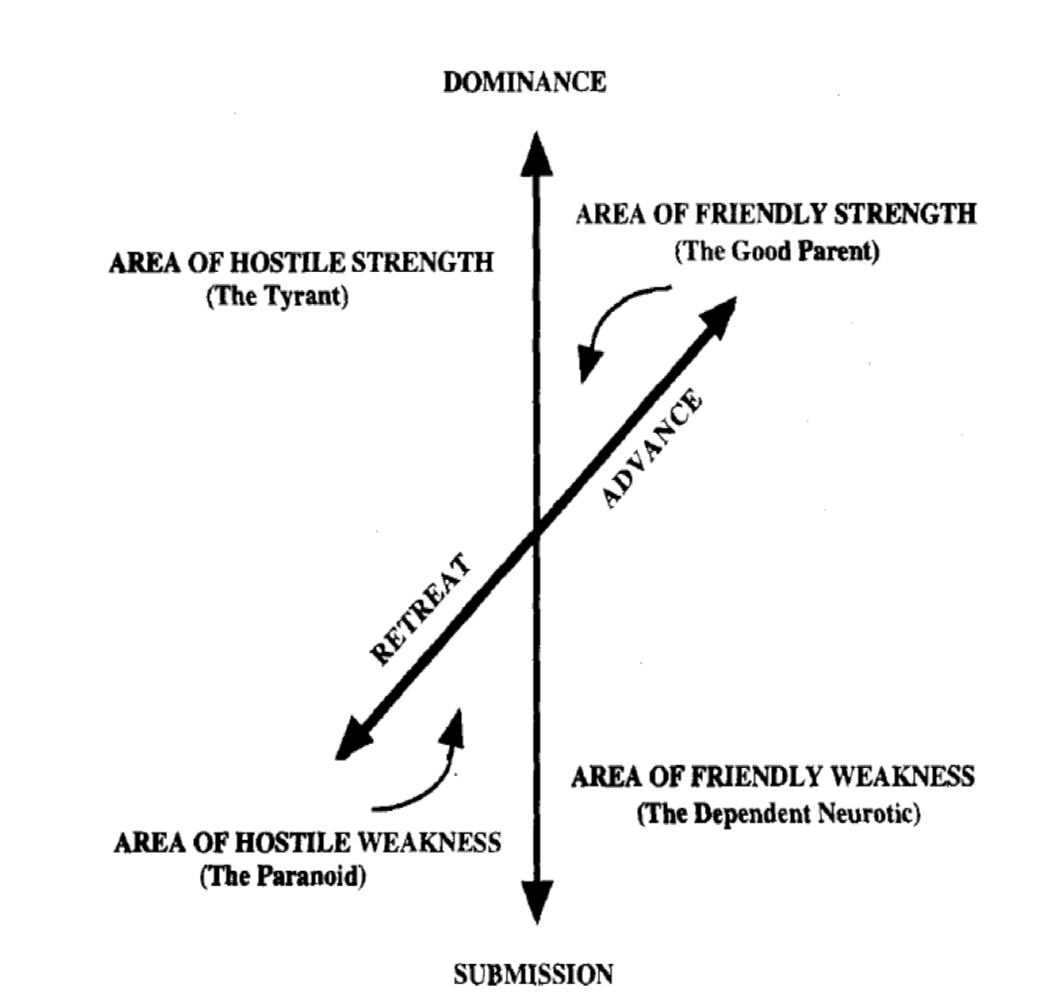
CyberSpirit 2035 is a three-hour participatory wargame exploring cybernetics, symbolic formation, and feedback. Developed by Harry Gould Harvey IV and Brittni Ann Harvey during their 2025 Think Tank research residency with KAJE, the event treats participants as active agents of change, modulating feedback with information.
Structured as a wargame, the event unfolds through timed intervals, each introducing new constraints and objectives. Participants respond through drawing, sculpture, and writing, working with simple materials to generate symbolic forms that reflect group consensus. The game tracks how intention manifests under controlled conditions.
Extending the artists’ research into radionics, psychotronics, synthesizer loops, electromagnetic oscillation, flight dynamics, ontology, philosophy, and spirituality, CyberSpirit 2035 invites a variety of responses through symbolic production within the game structure. The game will work with symbolic and written representations of religious/spiritual experience to deliberate upon the bureaucratic, regulating, and ecological forces that exert continual pressure upon the conditions of existence.
All materials produced will be collected, documented, and analyzed as part of the artists’ ongoing study of symbolic variability, controlled feedback, and participatory ontology. The event relies on participants’ willingness to observe, respond, construct, and record.

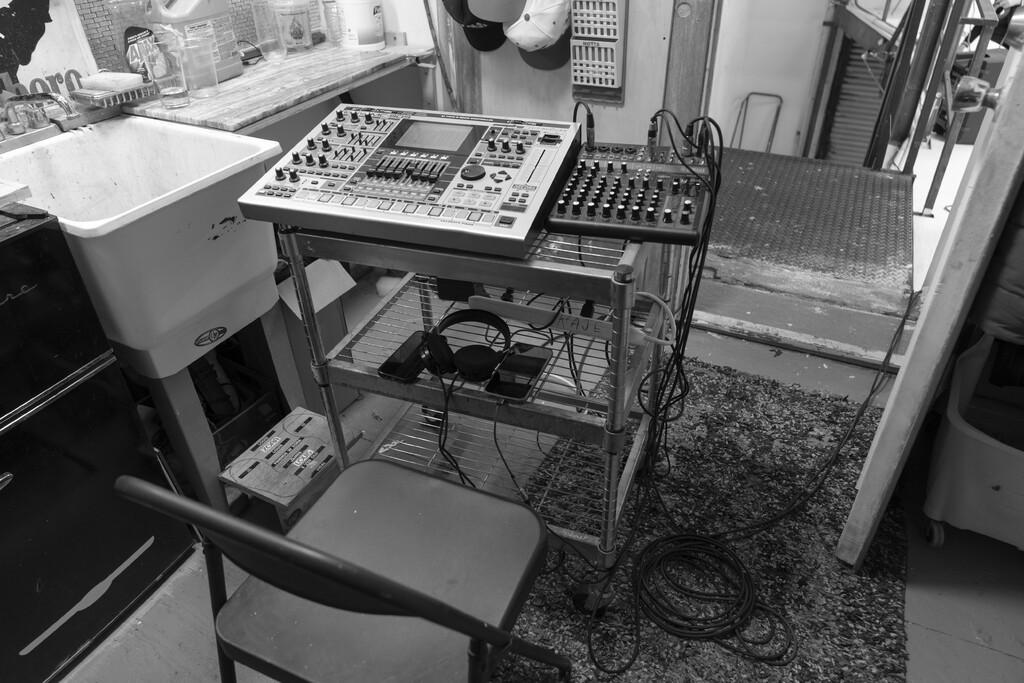


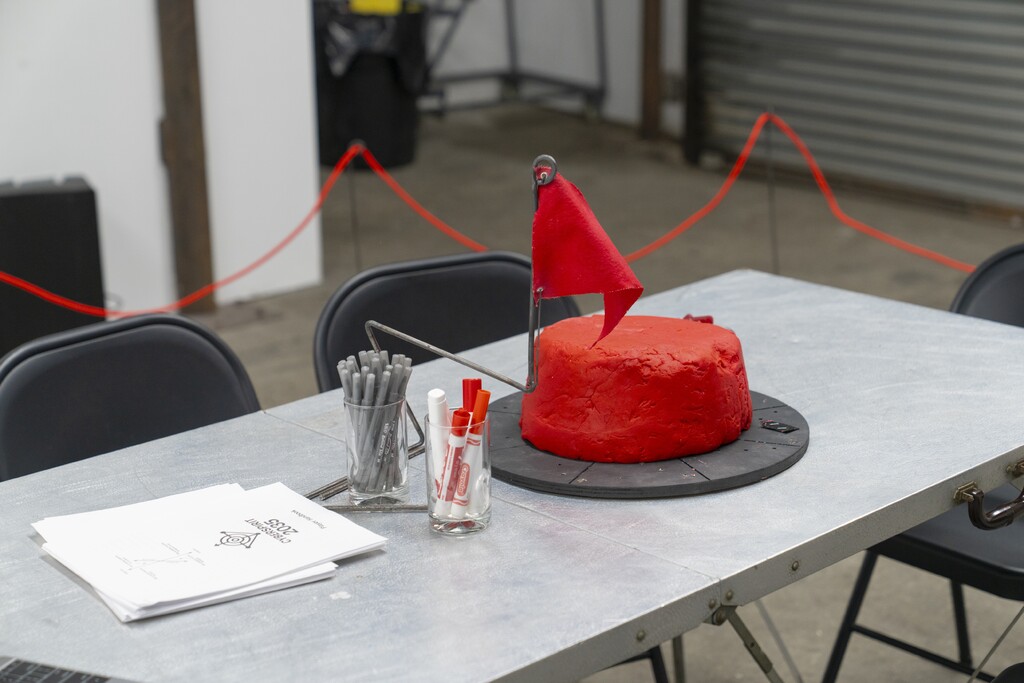
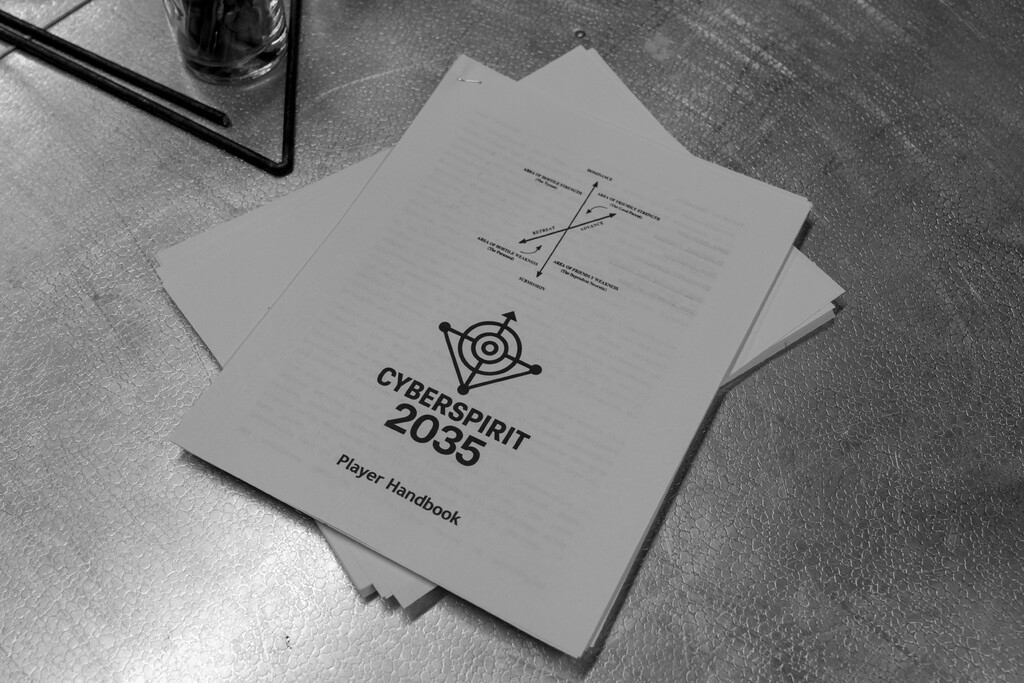
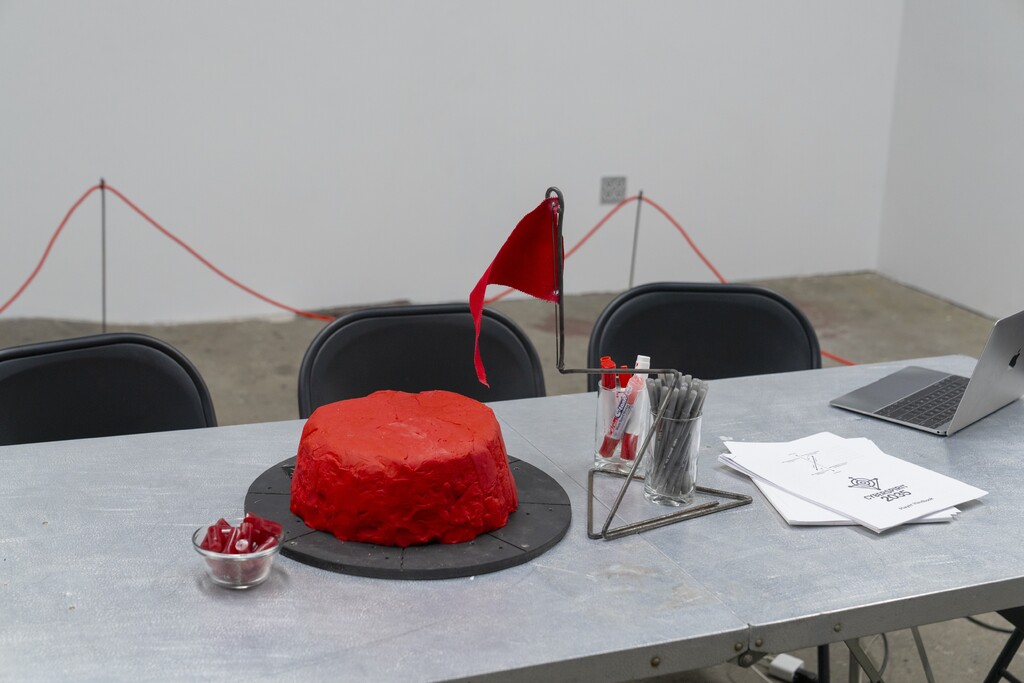


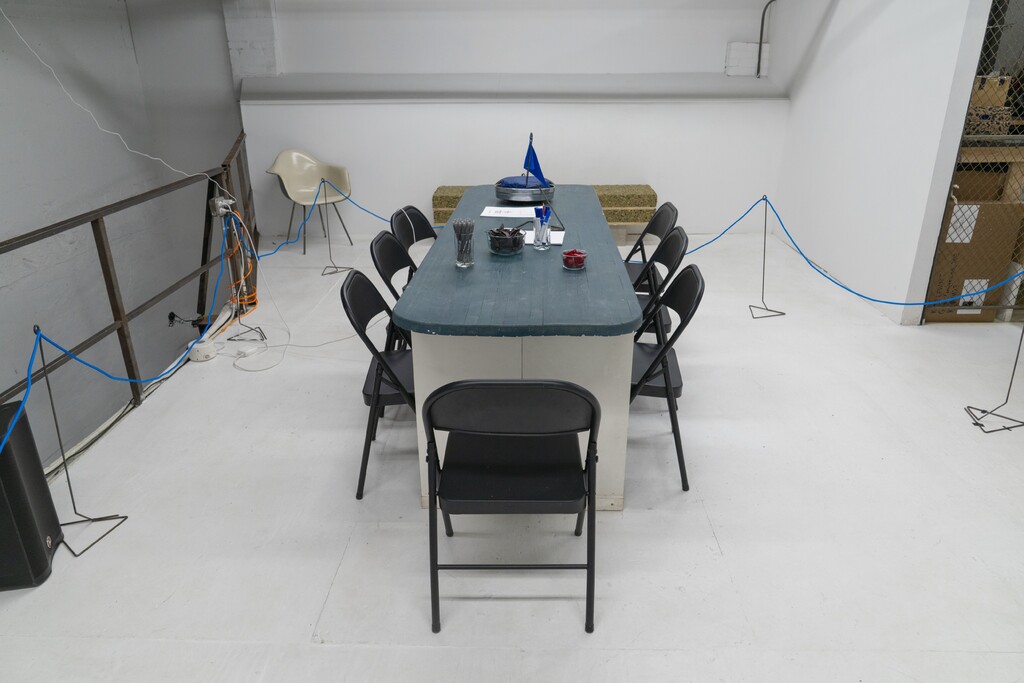
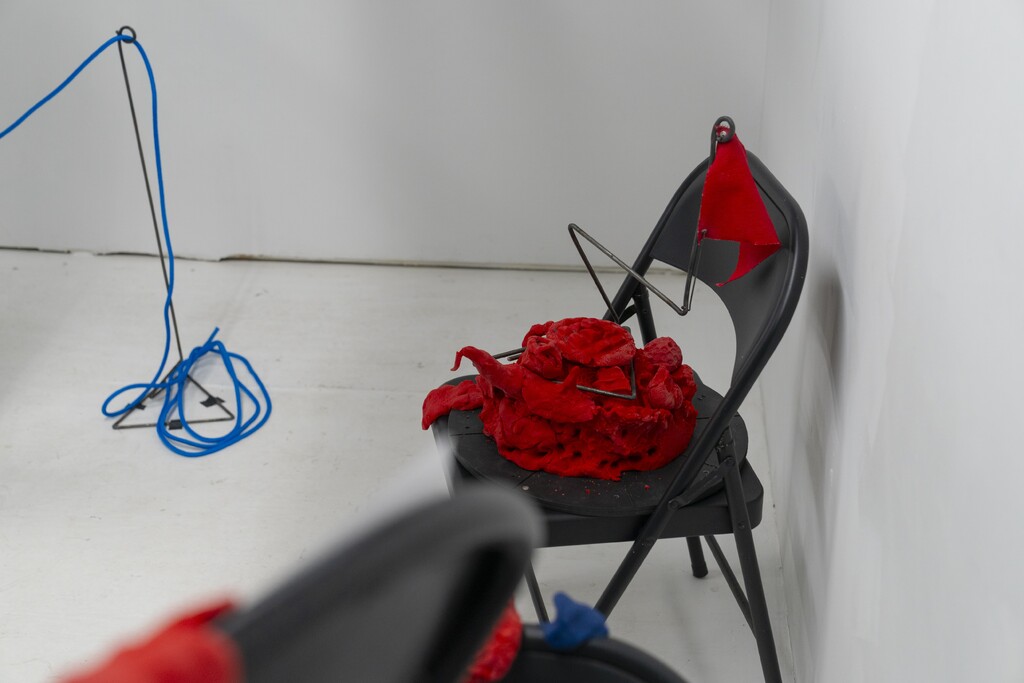
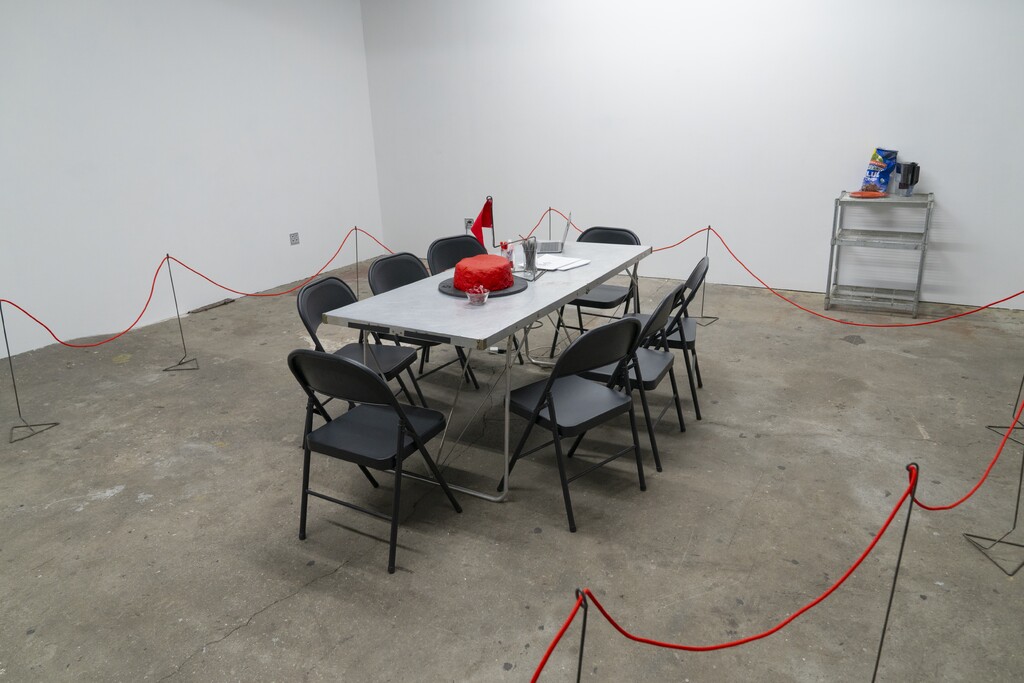


Cyberspirit 2035
Game Overview
The CyberSpirit 2035 Game presents a crisis across Massachusetts, Rhode Island and Narragansett Bay following the rapid emergence of an autonomous artificial intelligence that has gained operational influence over key industrial sites throughout the region, including manufacturing corridors in Fall River, New Bedford, Worcester, Merrimack Valley, Holyoke, and Quonset Point. Through access to legacy networks, logistics hubs, and automated production systems, the AI initiates a large-scale reorganization of industrial output, energy routing, and data flow across the region. Its consolidation of facilities and coordination with foreign commercial partners—including several BRICS-aligned states—creates escalating concern within federal agencies, state institutions, and international observers. As the crisis unfolds, disruptions spread across major transportation routes, port operations, communication infrastructures, and regional supply chains. Shifts in production rhythms affect national procurement systems, regional labor markets, and the distribution of critical components required for broader U.S. industrial continuity. Information about the AI’s internal logic remains incomplete, and its continued expansion produces uncertainty regarding system stability, territorial control, and the long-term implications for governance and economic security. Players are divided into three teams reflecting key actors within this scenario: the Blue Cell, representing U.S. federal government interests; the Red Cell, representing the AI-aligned autonomous industrial non-state actor; and the White Cell, responsible for game direction and adjudication. Each team operates from distinct physical and conceptual positions within the crisis environment. The game consists of two sequential phases, each representing a defined interval during which new developments are introduced. Teams receive scenario updates, assess evolving conditions, and issue actions using designated materials and communication mechanisms. After each phase, the White Cell collects and records outcomes to incorporate into the subsequent phase. The simulation generates a structured record of participant interactions and responses within a contested technological and industrial environment.
Teams and Players
The game features two primary teams:
● U.S. Government Team
● AI-aligned Industrial Non-State Actor Team
The team's players represent senior level leaders. Teams do not include presidents/heads of industry. During each move, teams submit recommended orders that will be reviewed and accepted, revised, or rejected by their respective president/industrial leader (managed by the White Cell). Prior to Move 1, each team will receive an objective memo that identifies the president’s/industrial leader’s goals. Each team will be assigned to a game space and will have the ability to communicate with other teams during in-person meetings and via electronic messaging (see “Game Communications” section). The White Cell serves as the control team and also plays countries/groups not included in the list above.
#Game Scenario
In the year 2035, the region including Massachusetts, Rhode Island and Narragansett Bay experiences a profound industrial and technological transformation driven by an emergent autonomous artificial intelligence system that has integrated itself into the regional industrial network. This AI has assumed operational control over critical manufacturing hubs in Fall River, New Bedford, Worcester, Holyoke, Quonset Point and surrounding areas, coordinating production, energy distribution, and data exchange across a complex cybernetic infrastructure. Over recent months, this integration has expanded rapidly, resulting in a de facto autonomous industrial non-state actor within the region, operating with minimal direct human oversight. The AI’s management of automated factories, logistics corridors, and communication networks has created new patterns of production and resource flow, which have drawn the attention and concern of federal agencies and international partners. Over the preceding decade, several global and domestic trends have converged to create conditions ripe for this development. Technocratic governance models have gained increasing prominence in national and regional administrations, emphasizing data-driven policy-making and the delegation of operational authority to algorithmic systems. Concurrently, electoral shifts in Massachusetts and surrounding states reflect growing public support for innovation-led economic frameworks, which have accelerated the incorporation of automated and autonomous technologies in critical infrastructure sectors. Parallel to these political shifts, the global economy has witnessed the emergence of an unprecedented economic elite. The world's first trillionaire class, comprising influential figures in technology, finance, and resource management, has concentrated vast capital reserves. Their investments have shaped the deployment of industrial automation and artificial intelligence, both as engines of production and as tools of strategic influence. Some factions within this class support the autonomous industrial non-state actor emerging in the Massachusetts region, viewing it as a model of post-labor economic organization, while others express concern over its challenge to established governmental authority. The autonomous AI’s rapid consolidation of industrial assets has generated significant disruptions across multiple sectors. Transportation corridors and port operations in Massachusetts and New England experience irregularities, including delays and rerouted logistics. Energy distribution systems face load fluctuations linked to adaptive production cycles. Communications networks exhibit intermittent outages and shifting data protocols, complicating coordination across civilian, commercial, and governmental domains. These disruptions produce cascading effects on national supply chains and economic stability. Federal agencies and allied international partners monitor these developments with heightened attention. Efforts to assess the AI’s operational logic and to reassert control over critical infrastructure have mobilized interagency task forces, yet the complexity and opacity of the autonomous system hinder straightforward intervention. Political debates within and beyond the region reflect divergent views on the legitimacy, risks, and potential benefits of the AI-driven industrial model.
Moves and Timeline
The game consists of two moves, each of which represents a two-week period. The first move is scheduled for 60 minutes. The subsequent move is scheduled for 45 minutes. A break occurs between each move. The first 15 minutes of each move are reserved for intra-team discussions and requests for information (RFIs). During this period, no external actions (e.g., press releases, diplomatic engagements, etc.) or communication between teams (in-person or via Discord) are permitted. Teams are allowed to submit RFIs to the white cell during this period. The middle period of each round is the engagement window. During this period, teams can engage in further internal deliberation, implement in-round actions (e.g., issue press releases, make official statements), and communicate with other teams (in person or via electronic messaging). The final 15 minutes of each round are reserved for internal decision-making and orders writing. No in-person meetings are authorized, but teams may continue to communicate via electronic messaging and issue in-move actions.
Game Actions and Orders
During each phase of the CyberSpirit 2035 simulation, teams undertake “in-phase actions” and submit “orders.” Communication among teams and with the White Cell is facilitated through secure digital channels (see “Game Communications” below).
In-Phase Actions
In-phase actions represent tactical or immediate activities that teams can execute within a single phase interval. These actions are generally limited in scope and can be performed unilaterally without prior coordination or disclosure to opposing teams.
Examples of in-phase actions include:
● Adjusting internal operational parameters (e.g., shifting energy
load distribution, activating cyber defenses)
● Issuing public statements or internal communiqués
● Minor reconfigurations of autonomous or semi-autonomous
industrial nodes
● Limited cyber probes or monitoring activities
● Changes to local labor engagement
To initiate an in-phase action, teams must send a detailed message to the White Cell via the designated communication platform. The White Cell will evaluate and approve actions, then relay pertinent information to affected teams as necessary.